


Welcome to the first InflamMed newsletter of 2025! March has crept on us fast, damn February and its 28 days!
In this issue, we’re diving into some crucial conversations about structural inequality, labour, and the impact of work on our bodies. Let’s get into it.
What Caught My Attention This Past Month?
Structural Ableism and Fire Safety Failures
The recent Altadena fire tragedy is yet another stark reminder of how structural ableism creates and perpetuates social inequalities. Reports indicate that disabled residents were disproportionately affected due to inadequate infrastructure, inaccessible evacuation routes, and a lack of emergency preparedness that considers diverse mobility needs.
The Grenfell Tower fire in 2017 exposed similar deadly failures. 41% of disabled residents in Grenfell Tower lost their lives—a devastating consequence of ignored safety concerns and the absence of Personal Emergency Evacuation Plans (PEEPs). Despite recommendations from the Grenfell Tower Inquiry, the UK government has yet to fully implement mandatory PEEPs, leaving disabled residents across the country at risk.

Chronic Inflammation and the Toll of Work
How does our jobs impact our bodies? We are all familiar with musculoskeletal disorders and diseases resulting from long term exposure to chemicals or particulates. The impact of high-pressure and precarious working environments in white collar roles on chronic inflammation is becoming increasingly clear.
For a deeper look at the historical and contemporary impact of labour on health, if you can, visit “Hard Graft: Work, Health and Rights,” a Wellcome Collection’s exhibition. This powerful show uncovers stories of undervalued work, exploitation, and the long fight for workers’ rights.
📅 Hard Graft: Work, Health and Rights, Wellcome Collection, London, 19 September 2024 – 27 April 2025. Free entry.
Could a 4-day work week be the answer?
Iceland’s experiment with a four-day workweek has sparked global discussions about sustainability in employment—demonstrating that effectively reduced work hours can improve productivity. But does this always translate into a healthier workforce?
According to the report, 42% of workers reported decreased levels of stress in their private lives. Women, in particular, saw enhanced work-life balance and were more likely to benefit from reduced hours.
The DEI Backlash: What’s Next?
DEI (Diversity, Equity, and Inclusion) programmes are facing increasing pressure, with major corporations rolling back initiatives under the guise of “efficiency” or “meritocracy.” Apple is doubling down on its DEI efforts, while Amazon has quietly dissolved key teams. What does this mean for workplace equity and inclusion moving forward? What does this mean for our community where raising awareness in workplaces has only just begun?
What We’ve Been Up To
Digital Health Revolution: Chronic Inflammation Series Wrap-Up
Our Digital Health Revolution for Chronic Inflammation series has almost come to an end! If you missed any instalments, catch up on the final pieces here:
Can digital health bridge the gap in chronic care for low-resource settings? Read our interview with Muji Bekomson, founder of iLIVE Digital Health
Roi Shternin, patient advocate and entrepreneur, and I dive into why patient-led innovation is not just important—but essential.
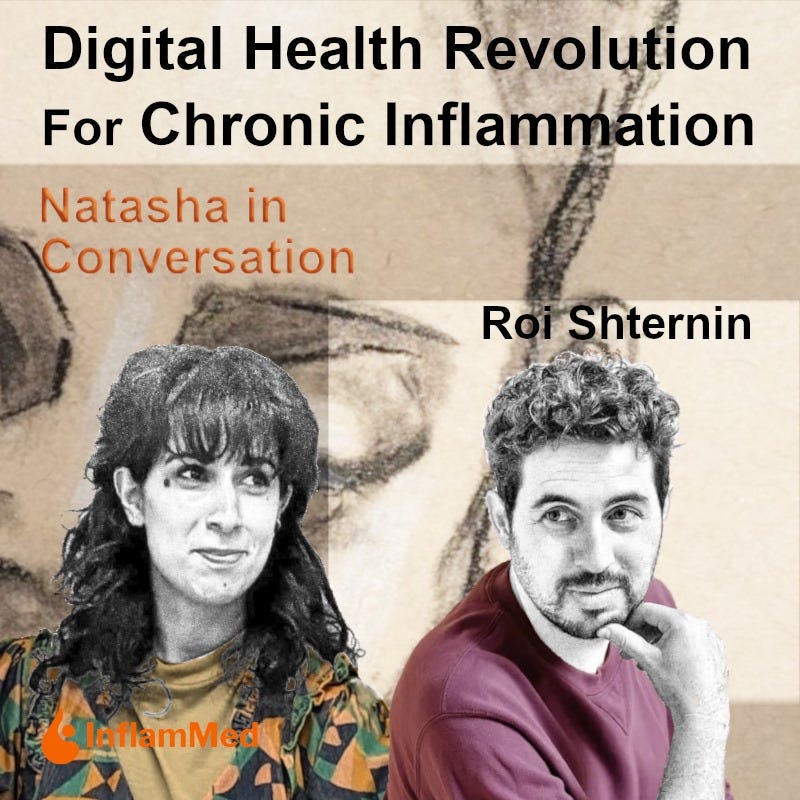
This series will conclude with a curated list of apps, tools and platforms recommended from the series and community discussions.
Work-Life Balance: A Personal Reflection
A four-day workweek, meaningful work, good pay—sounds like a dream, right?
Six months into a new role—one that prioritises sustainability and balance—I should feel content. But the tug of war continues.
Is it possible to build a thriving career without sacrificing the very things that make life meaningful? I’m still negotiating that answer every day.
🔗 Read my latest reflection on the work-life tug of war
Thanks for reading! If any of you are like me (and live in London), I hope you are starting to feel better with more sunshine.
Until next time,
Natasha and the InflamMed Team
Thanks for the mention!