


In a world saturated with health advice, finding sustainable strategies can be daunting, especially for those of us navigating life with chronic illnesses and chronic inflammation.
Drawing from my lifelong commitment to physical activity and the challenges encountered post-diagnosis, I'm excited to share exercise-focused tips designed for lasting impact.
The Foundation: Mindset and Intentionality
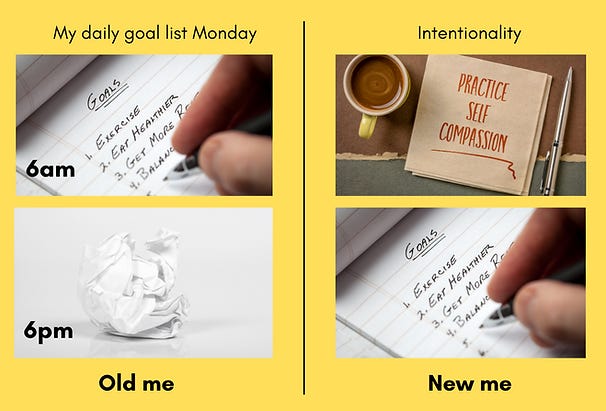
Success begins with understanding the "why" behind our actions. Consider jotting down your motivations—aim for five reasons that resonate deeply, such as:
To be stronger
To help me be more focused
To be kind to myself?
Another way to think about this is, "I feel better when I..":
Do some form of exercise
Learn something new
Have a soothing bath
Regularly revisit your list to remind and refine your motivations, recognising that clarity may evolve as you embark on this journey.
Embarking on the Exercise Journey
Moving forward, let’s talk about the act itself. Starting small, especially in the beginning, is key. For those living in the UK, the (bad) weather is a real challenge, it’s grey and rainy a lot. So, the more we do to facilitate these new habits the better. Here's some advice:
New Clothes: Invest in some stylish gym wear; looking good can help you feel good.
Preparation:
Lay out your gym clothes and prepare your bag the night before.
Personally, I like to have tunes or a podcast ready to go – whatever you fancy.
Give yourself more time (i.e. wake up slightly earlier) and plan how you’ll get to and from your exercise location.
Depending on your condition or injuries, take preventive measures – for instance, I strap my wrists when playing squash to ensure I recover faster.
Have Options: Whether it's a walk, yoga class, or gym session (even 15-20 minutes is sufficient at this stage), have a rough idea of what you’ll be doing. YouTube can be a great source of inspiration. Options allow flexibility, reduce pressure, and prevent boredom.
Recovery Plan: After the gym, I prefer walking back, eating a substantial meal, and using a therapeutic wheaty bag for my neck and back, which are usually most affected post-exercise. I won’t delve into specific dietary advice here as I’m not a nutritionist. It's relative, and positive steps like giving up alcohol or altering eating habits to align with your new routine are commendable. I recommend reading the Q&As and interviews for nutritional advice.
While the following tip isn't essential, finding a workout buddy can be a game-changer in your fitness journey, offering motivation, social interaction, and a healthy dose of endorphins. Even if their goals aren’t long term thinking “I’m going on holiday” “I fancy trying it”, leverage their enthusiasm while staying true to your reasons. However, remember that friends' availability and goals may fluctuate, so it's wise to have a flexible approach.
Another avenue could be taking on a challenge. While not all fitness challenges are tailored for those with chronic illnesses, selecting the right ones can significantly contribute to building mental toughness and forming sustainable habits. Here are two challenges that stand out for their adaptability and focus on overall wellness:
The 75 Hard Challenge designed by Andy Frisella
For 75 days, commit to:
Finish two 45-minute workouts (one could be a walk)
Drink 1 gallon of water
Read 10 pages of a book
Take a progress photo (just for you)
Have no alcohol or cheat meals
I’m sure there are similar challenges out there that can be just as effective, I say go for it. The key lies in selecting one designed with sustainability in mind and therefore allows for flexibility. For instance, I won’t always want to do 2x 45 minute workouts, so I’ll just do one instead, while maintaining the challenge's core principles.
The 30 day Yoga Challenge by Adriene.
This challenge offers:
A supportive community and daily 30-45 minute sessions of meditation and yoga.
The freedom to follow the suggested practices or choose your path, focusing on breathwork and mindfulness.
Both challenges underscore the importance of habit formation and mental fortitude. By engaging in these activities, you're not just working towards physical fitness but also nurturing a mindset that values self-care and personal growth.
💡 Change your relationship with habits
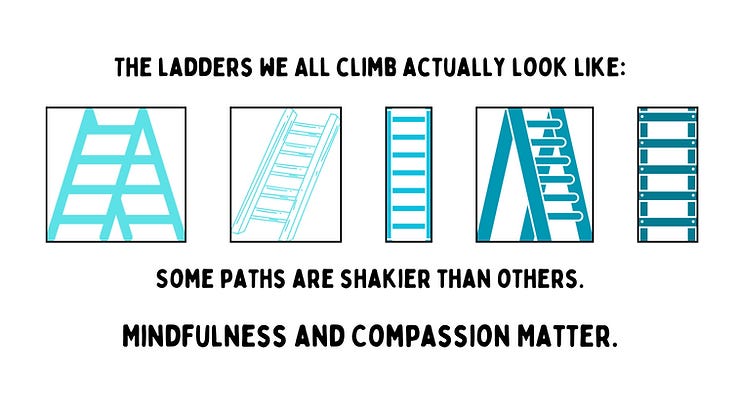
The key takeaway is this: By cultivating a less rigid mindset and thus changing our relationship with stress, we foster more positive emotions. For example, when I’m not able to fit in a walk because work gets in the way, I can let it go.
Going back to our intentions: “I feel better when I…” sets realistic expectations, avoids perfectionism, stops overdoing (over-preparing, over-thinking) and ultimately prevents negative emotions.
I hope that these insights prove useful in your pursuit of new habits.
Good luck on your path to wellness.
Natasha