


Navigating the writing process can be uniquely challenging for adults with ADHD. Maintaining focus and managing creative flow without getting overwhelmed requires specific strategies. Drawing on insights from renowned writers and personal experiences, this guide offers effective methods to enhance your writing practice.
I know every ADHD brain is different, but these are the tips and tricks that have worked for me, and maybe for you too.
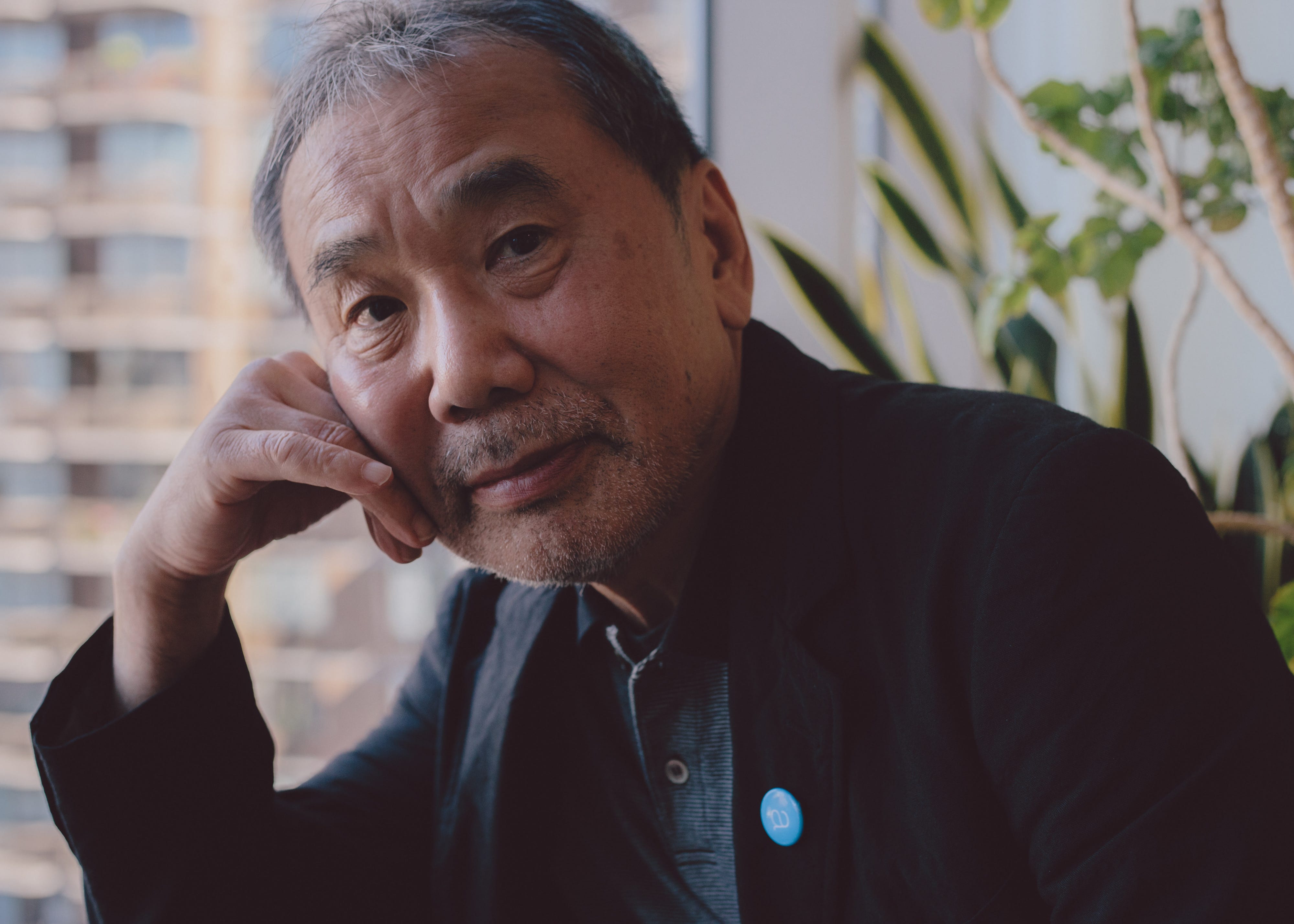
Understanding the ADHD Writer's Journey
My writing journey has been shaped by two significant challenges:
A 75,000-word thesis ten years ago: Under intense time pressures, I found that high-stress environments paradoxically helped me focus. However, this approach was unhealthy and unsustainable.
Current writing for social change: Inspired by authors like Roxane Gay and Haruki Murakami, I've learned to align my writing with my passions, making the process more engaging and manageable.
Challenges I've Faced
Narrative Overwhelm: My stories often start strong but become melodramatic and lose their narrative thread.
Need for Novelty: My ADHD craves novelty, making structured writing approaches nearly impossible.
Strategies from Acclaimed Authors
Minimalism in Writing (Roxane Gay): Simplify your drafts by removing at least 25% of the initial content. This method focuses on the essence of your message and reduces overwhelming details.
Structured Flexibility (Haruki Murakami): Murakami, a Japanese writer, manages his swirl of ideas by drafting in simple English, focusing on combining words effectively. For those who do not speak another language, starting with bullet points can provide a similar structure.
Daily Discipline (Octavia Butler): Treat writing as a daily exercise to build strength and consistency. Set small, achievable goals to maintain regular writing without overwhelming yourself.

Incorporating Mindfulness and Well-Being (Maria Popova)
Creating Pockets of Stillness: Engage in activities like walking or meditating to allow for creative daydreaming. These moments of stillness help in forming new ideas subconsciously.
Valuing Presence Over Productivity: Appreciate the process of writing itself, finding joy in creation rather than just aiming for output. This mindset can be particularly liberating for those pressured by productivity.
Finding What Magnifies Your Spirit: Identify what inspires you—be it people, ideas, or books—and integrate these elements into your routine to boost your creative energy and focus.
Adapting Writing Techniques for ADHD
The Headlights Method: Focus on the immediate next steps of your project. This method reduces overwhelm by illuminating only the next actionable step, keeping your writing journey clear and manageable.
Pomodoro Technique: Use short, focused work sessions followed by breaks. This technique aligns with ADHD traits of needing frequent mental refreshment, maintaining concentration and engagement.
Project Diversification: Keep multiple writing projects to switch between them as interest wanes. This leverages the ADHD-driven love for novelty and maintains momentum.
Shorter Writing Formats: Engage in short-form writing, like essays or short stories, which can be completed within typical ADHD focus spans, providing a sense of accomplishment.
Flexible Routines: Adapt your writing schedule to fit your most productive times. Flexibility helps manage ADHD symptoms by allowing for writing when you feel most capable.
Adapting your writing practices to fit ADHD can transform a potentially frustrating activity into a productive and enjoyable one. By understanding your personal challenges and leveraging insights from experienced writers, you can create a tailored approach that supports your unique needs.