


Despite significant strides in healthcare, women and individuals assigned female at birth continue to encounter substantial obstacles in securing accurate diagnoses and effective treatments. These challenges are exacerbated by a range of chronic conditions that disproportionately affect women, often leading to prolonged suffering and inadequate medical support.
This week, InflamMed shines a light on five chronic conditions that are notably more prevalent among women, underscoring the need for a healthcare system that understands and addresses their unique health dynamics.
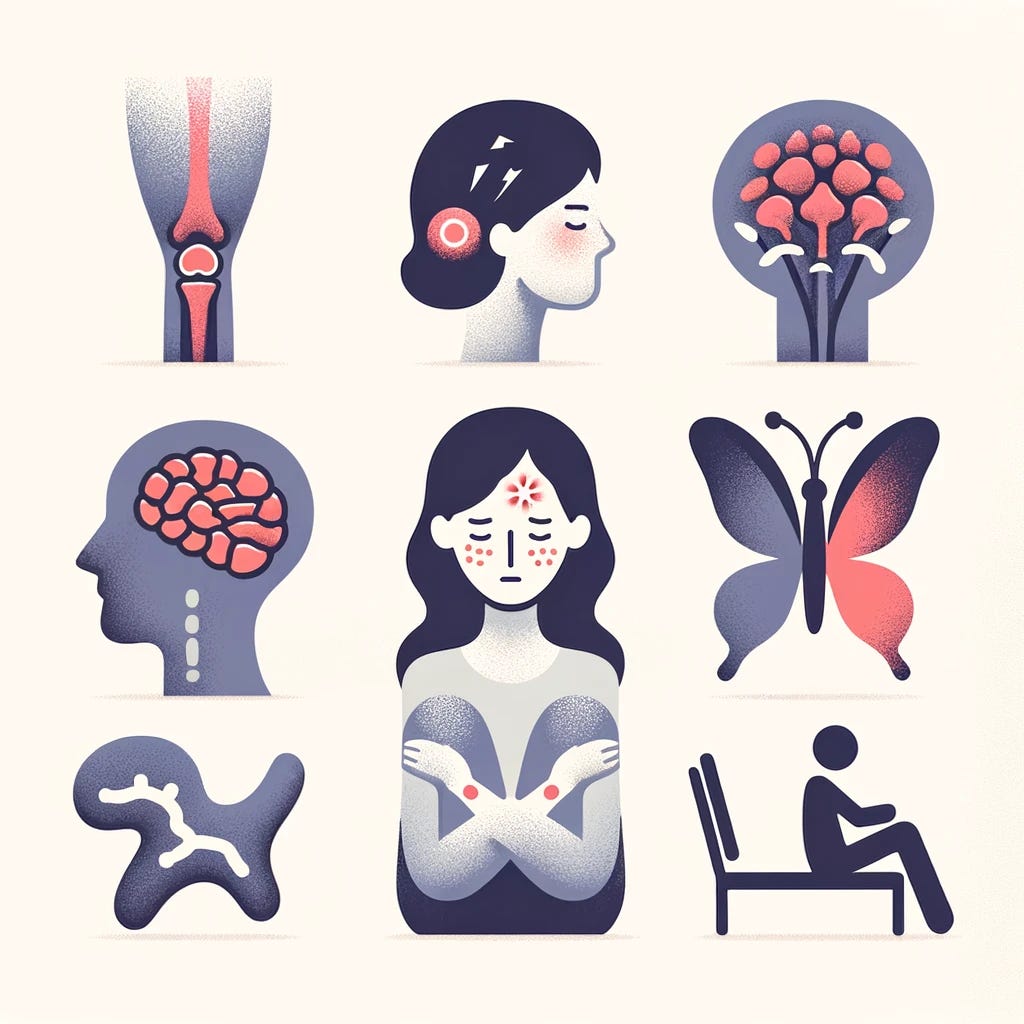
Rheumatoid Arthritis:
Prevalence: 2-3 times more common in women.
Symptoms: Persistent joint pain, stiffness, and swelling.
Impact: Can severely impair daily functioning and quality of life.
Hypermobile Ehlers-Danlos Syndrome (hEDS):
Prevalence: Frequently diagnosed in individuals assigned female at birth.
Symptoms: Extensive joint hypermobility, chronic pain, and frequent injuries.
Impact: Often leads to long-term disability and complex healthcare needs.
Migraines:
Prevalence: Women are three times more likely than men to suffer from migraines.
Symptoms: Severe throbbing pain, often accompanied by nausea, vomiting, and sensitivity to light and sound.
Impact: Can disrupt work and social life, necessitating specific triggers and symptom management strategies.
Lupus:
Prevalence: 4-12 times more common in women.
Symptoms: Fatigue, joint pain, skin rashes, and fever.
Impact: A systemic condition that can affect multiple organs and require complex management.
Myalgic Encephalomyelitis / Chronic Fatigue Syndrome (ME/CFS):
Prevalence: Significantly underdiagnosed, with a higher incidence among women.
Symptoms: Profound, debilitating fatigue that worsens with physical or mental activity.
Impact: Severely limits capacity for daily activities and often leads to social isolation.
The Underrepresentation Issue
Historically, medical research has underrepresented female subjects, leading to a skewed understanding of how various conditions affect women differently. This gap in knowledge has perpetuated cycles of misdiagnosis and medical gaslighting, where women's symptoms are often dismissed or inaccurately attributed to psychological factors.
Advocacy for a Change
InflamMed is dedicated to advocating for more inclusive research practices and healthcare policies that acknowledge and address the unique health challenges faced by women. By highlighting these conditions, we aim to foster a dialogue that leads to substantive improvements in how women's health issues are understood, diagnosed, and treated.
We encourage our readers to join us in pushing for a healthcare system that recognises the distinct needs of women across all stages of life. Share this article to help raise awareness and advocate for change.
That phrase "attributed to psychological factors" has me seething!