


In a world teeming with diverse cultures, languages, and traditions, finding one's place and understanding one's identity can be a profound journey, deeply intertwined with our sense of well-being and resilience.
As eloquently stated by Skylight Trust:
"Having a positive sense of who we are, and where we fit in the world, is essential for our well-being. A confident sense of identity also builds our resilience."
This journey of self-discovery is not just about knowing where we come from; it's about embracing our roots and how this acknowledgment can be a cornerstone of our mental and emotional health.
Growing up with a background that visibly marks one as 'different', yet not having the cultural connection to match, can lead to a complex relationship with one's own identity. This is a narrative familiar to many, especially within second-generation migrants, often those that meet many intersections such as queer people of colour, and likely those within the InflamMed community.
Focusing on race and immigration, the internalised racism passed down through generations, the Westernisation of names i.e. Natasha, and the alienation from one's cultural heritage are not just anecdotal experiences; they are reflective of a broader struggle for self-acceptance and identity within the diaspora.
The isolation felt by not seeing one's experiences mirrored in the community can further complicate the journey to self-acceptance and well-being.
So, what exactly do we mean by well-being?
Let’s us break it down into its components. Well-being, as described in a comprehensive study conducted in 2016, encompasses the following myriad of factors:
Happiness = Feeling happy and cheerful
Vitality = Feeling energetic/full of energy
Calmness = Feeling calm/relaxed
Optimism = Being optimistic and hopeful
Involvement = Feeling completely involved and engaged in what you do
Awareness = Being in touch with how you feel
Acceptance = Accepting yourself the way you are
Self-worth = Liking yourself
Competence = Feeling highly effective at what you do
Development = Feeling you are improving, developing, advancing
Purpose = Having a purpose and a mission in life
Significance = Feeling that what you do is worthwhile
Congruence = Feeling that what you do is consistent with how you see yourself
Connection = Feeling close and connected to the people around you
Can you identify what is missing?
Self-awareness, Self-acceptance, Self-worth to name a few are elements that are deeply rooted in having a firm grasp of one's identity and the confidence that stems from self-acceptance.
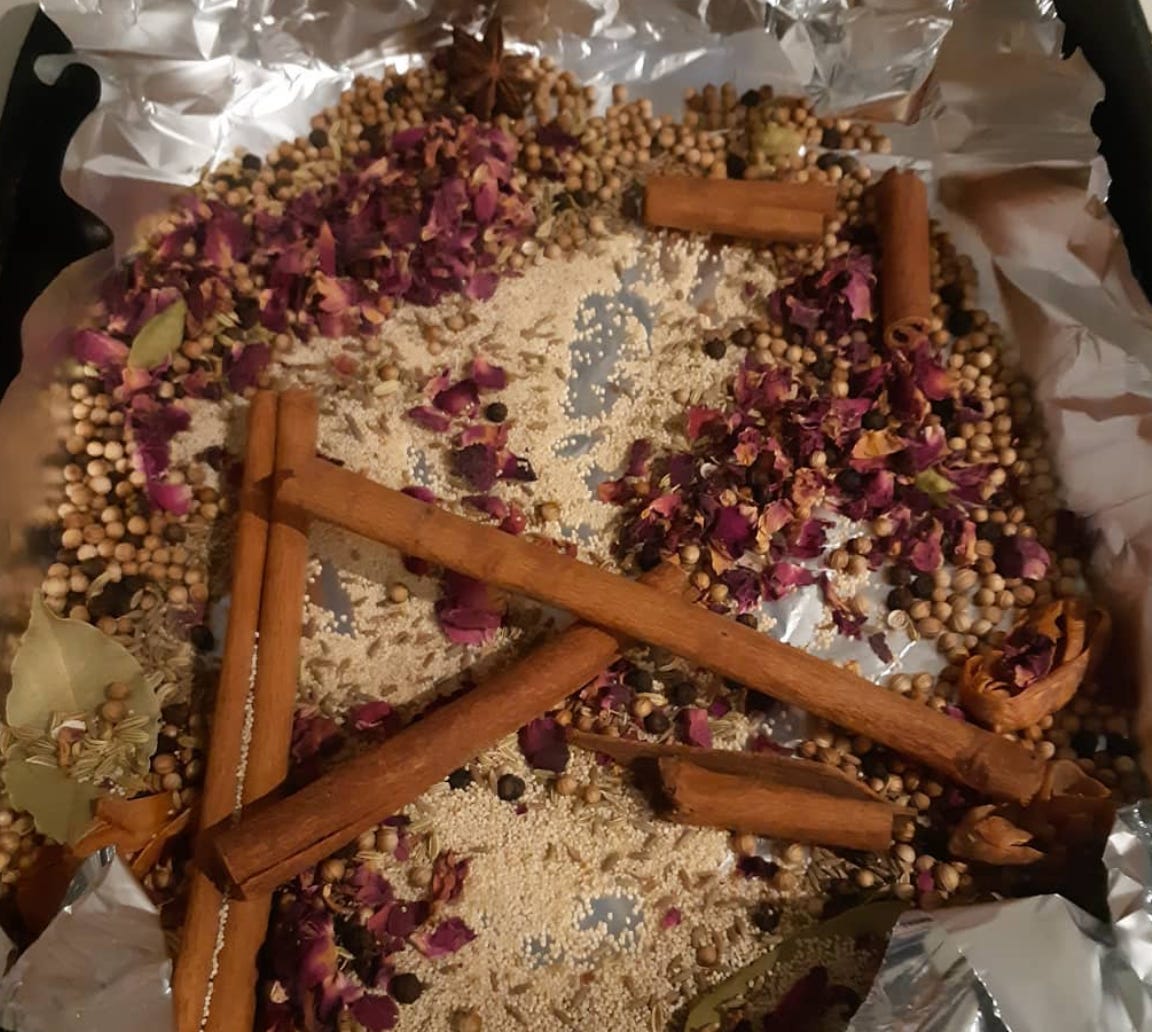
Engaging with one's culture can take various forms, and for those estranged from their familial traditions, alternative pathways to connection are essential. Literature, art, and culinary exploration offer valuable portals to understanding and embracing one's heritage. The act of cooking traditional foods, for instance, is not merely a culinary endeavour but a ritual of connection and a celebration of one's lineage. The spices of Indian cuisine, each with its own story and significance, become symbols of heritage and identity. I have made my own garam masala from scratch - did you know it needs up to 12 different spices?
Recommendations for those on a similar path might include engaging with works that explore identity and belonging, such as "Pachinko" by Min Jin Lee, which delves into the experiences of Korean immigrants in Japan, or the poignant stories of Elif Shafak that traverse the complexities of identity across cultures. Graphic novels by Sabba Khan, the recipes of Meera Sodha, and the historical insights of "A Fine Balance" by Rohinton Mistry, about the Indian-Pakistan partition, provide diverse perspectives on the South Asian experience. Furthermore, the emerging "Recipes and Revolutions" podcast offers a contemporary exploration of culture and politics through the lens of food.
For some of us, the journey to embracing one's roots is fraught with challenges and complexities. However, it's a journey worth undertaking. It is in understanding and accepting our heritage that we find a stronger sense of self, fostering resilience and enhancing our overall well-being.

In embracing our past, we forge a path to a more grounded and authentic existence, one where our roots inform our present and inspire our future.