


Dear readers,
The last newsletter of 2024 is landing in your inbox now, 10th Jan 2025. A tad late! Well, that’s how it is. We work on Crip Time at InflamMed, meaning that we work to the rhythm of our health, and sometimes it does not quite align with the Gregorian calendar. We have decided not to stress about it.
Gwyneth Paltrow launched her newsletter goop back in 2008. The story goes that she only ever wanted to share her tips about lifestyle and wellness with us. Her eyes were soon opened to the business potential of her platform. And the rest is… Goop, Inc —a brand and business valued to about a $ ¼ million today. Lawsuits and warnings from medical bodies regarding health claims have done little to slow down Goop’s growth.
Paltrow has inspired many celebrities to engage in similar wellness and health business ventures, all facilitated by social media platforms. When Elle Macpherson praises The Super Elixir™ for her good looks, the iconic ingestible beauty green powder she developed, it may motivate some to invest, and others to smirk “Money wasted but no real harm done.” However, when WelleCo’s founder shares overcoming breast cancer with alternative therapies, cherry-picking information1 about her health journey, something else is happening.
We can only be pleased for her recovery and good health, and personal choices about one’s health are to be respected. But celebrity, health and business make a very uncomfortable mix. Misinformation, if not disinformation, can easily seep in and public health has been shown to suffer.
What Caught My Attention This Past Month?
Health is a hot topic! Don’t we know. Health-related podcasts are now competing with business and entrepreneurship podcasts for the position of the third most popular category.
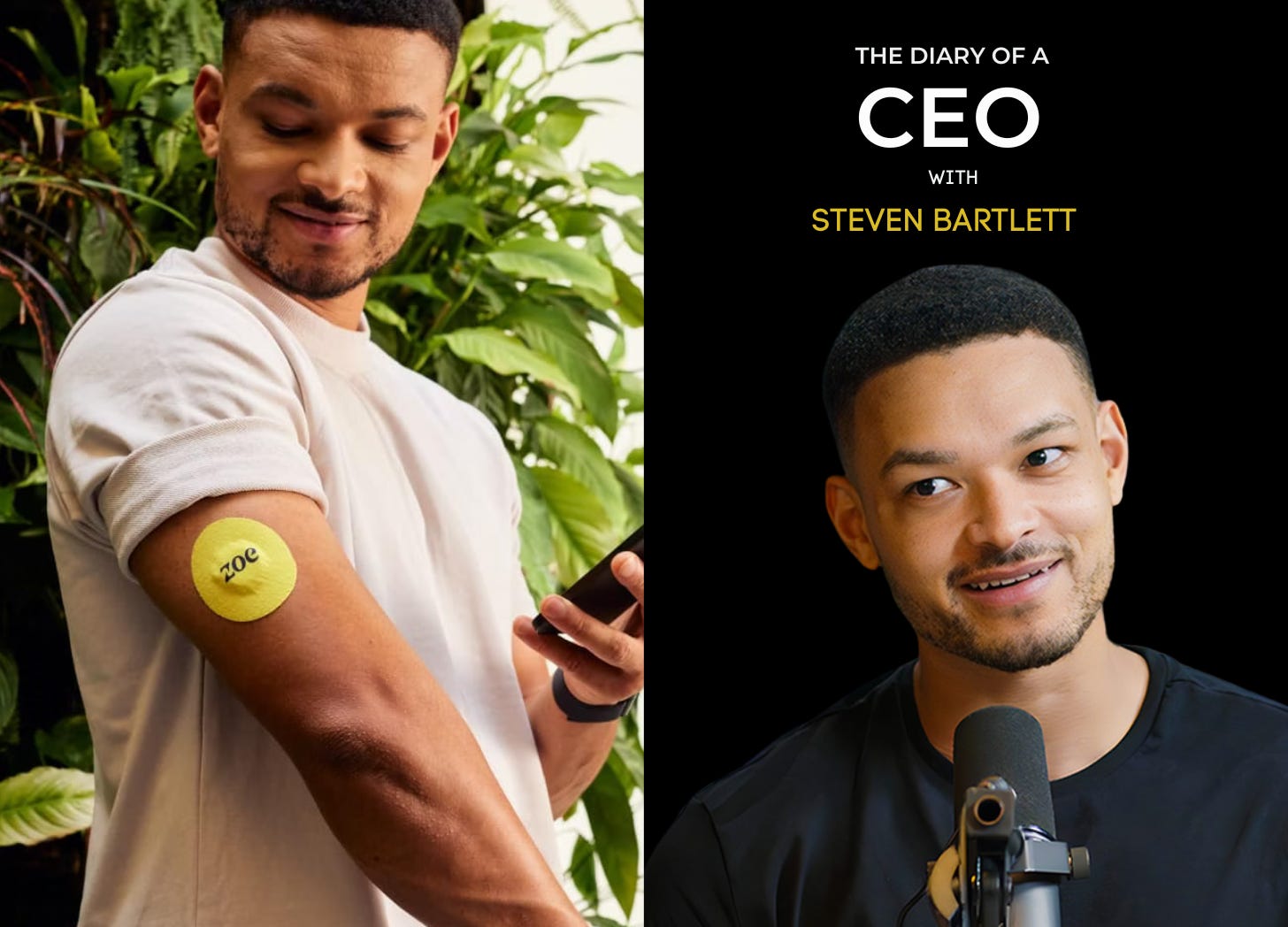
Steven Bartlett, host of the Diary of of CEO, one of the most listened to podcast across most of the English speaking world, has decided it was time for him to combine both to grow his audience— earnings from his podcast for 2024 are expected to reach £20M. However a BBC World Service investigation shows that the Dragon’s podcast contributes to the spread of health misinformation by leaving controversial health claims about diets, cancer and vaccines among others, little to unchallenged, defending his stance as wanting to “present some of the other side" as "the truth is usually somewhere in the middle.”
Podcasters may claim they are sharing information, but they are actually sharing harmful misinformation, says Dr David Grimes from Trinity College Dublin.
Mr Bartlett’s motives are probably purely financial. Cecile Simmons, a researcher in disinformation, points to studies that have shown health and wellness misinformation content grow audiences.
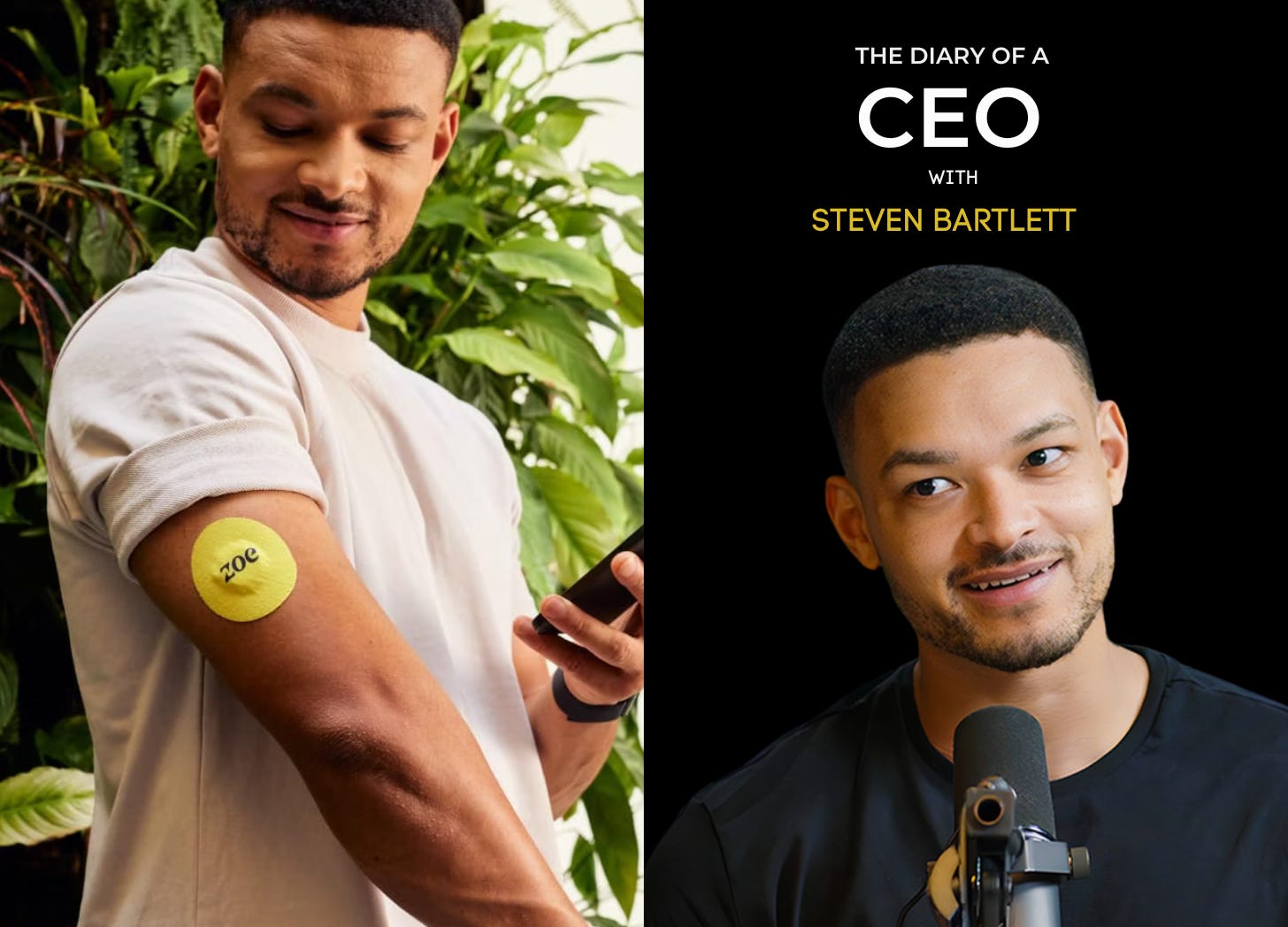
Ads for ZOE and Huel featuring Mr Bartlett have been banned by the Advertising Standards Authority in the UK for failing to disclose his investments in the companies. He has financial stakes in health and wellness companies. And once you have financial interests, you have then the further interest in focusing on health and nutrition," says Ms Simmons.
Health-related clickbait content with scary titles does really well online with the algorithm amplifying that," she said.
Imani Barbarin from crutches_and_spice offers a sharp analysis how the U.S. healthcare system frames disability by shining a light on the circumstances that led Luigi Mangione, a seemingly privileged young white man suffering from chronic pain, to fatally shoot UnitedHealthcare CEO Brian Thompson last month. Business and healthcare just do not mix.
This system would drive anyone mad, and that’s exactly how we need to position this conversation…
The continued blurring of health and lifestyle topics is not all grim and grey though. Chronic inflammation is now getting mainstream media attention. This article in The Telegraph is a good entry read with clear and concise information distinguishing acute from chronic inflammation.
The Financial Times reports on UK employers actively seeking neurodivergent workers, such as those with autism or ADHD, to gain a competitive edge, recognising unique or heightened skills. Isn’t that good news? Adaptation to market needs, a new workforce make-up, reassessment of behaviours over hard skills? How will recruitment methods rise to the challenges? Will we see the rise of neurodivergent elites or sweatshops? Which arguably both already exists—think medics, Silicon Valley top (and low) dogs and university research staff. An exciting trend to closely watch.
What We’ve Been Up To
We launched our Digital Health Revolution For Chronic Inflammation series with Mark Nicoll, founder of paincation. Mark shared his health journey with Crohn’s disease, but most importantly to him now, how it has lead him to harness upcoming technology to disrupt pain management care with mixed reality.2
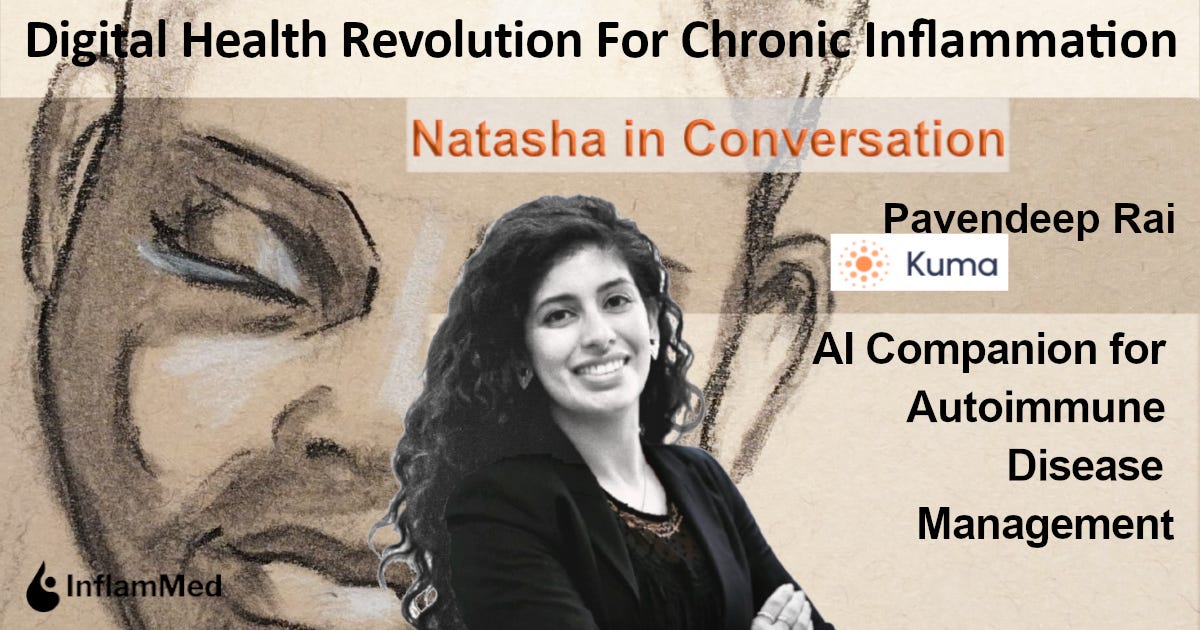
Coming up for the second opus, an interview with Pavendeep Rai, Kuma Health Co-Founder, where she will be discussing how AI companions are revolutionising autoimmune disease management with personalised, data-driven support.
We continue to read Kevin Gotkin’s Crip News and thank him for his weekly accessible digest of disability arts and news. We encourage you to subscribe.

That’s it for now. Until next time!
Natasha and the InflamMed Team

